

MS-1
MS-1 Module and Bale Moisture Sensor
Moisture on the cotton coming in, and on every bale going out
The Gen 3 MS-1 measures moisture trends in incoming cotton modules and verifies moisture on bales as they move through your process, without touching the cotton. Readings go straight to the gin's controls over 4-20mA analog signaling, with Modbus TCP and a REST API available.

Installed
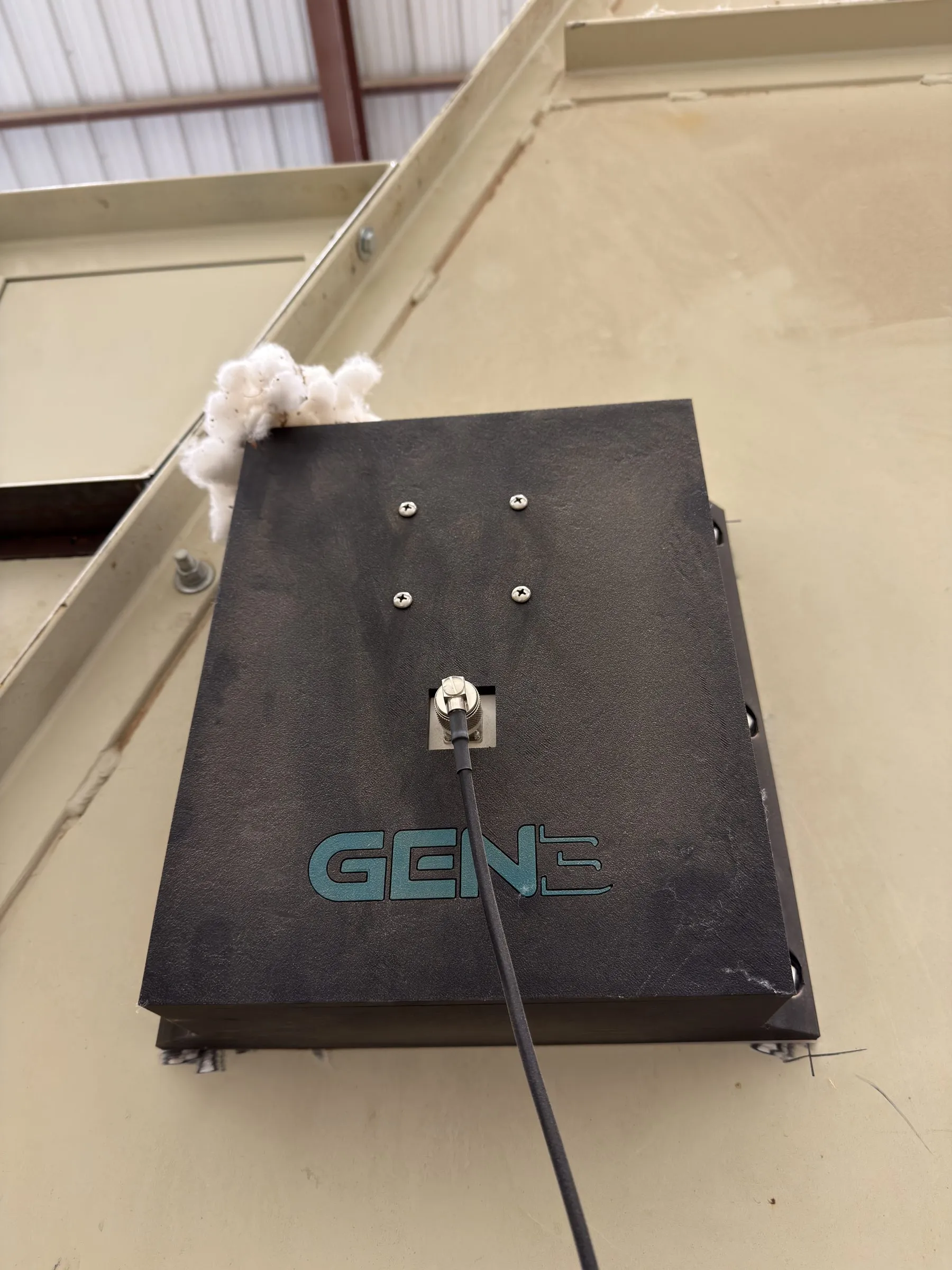
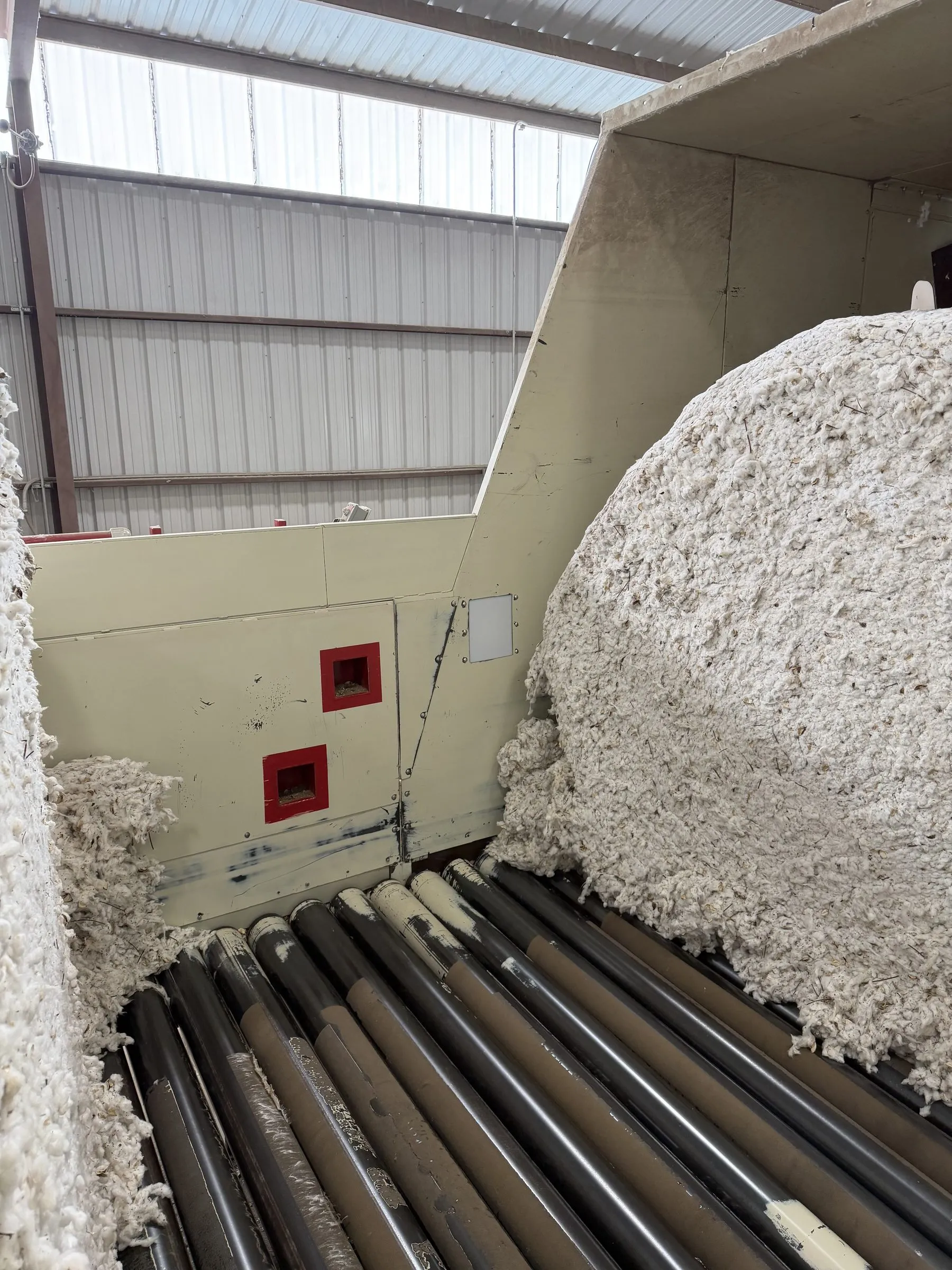
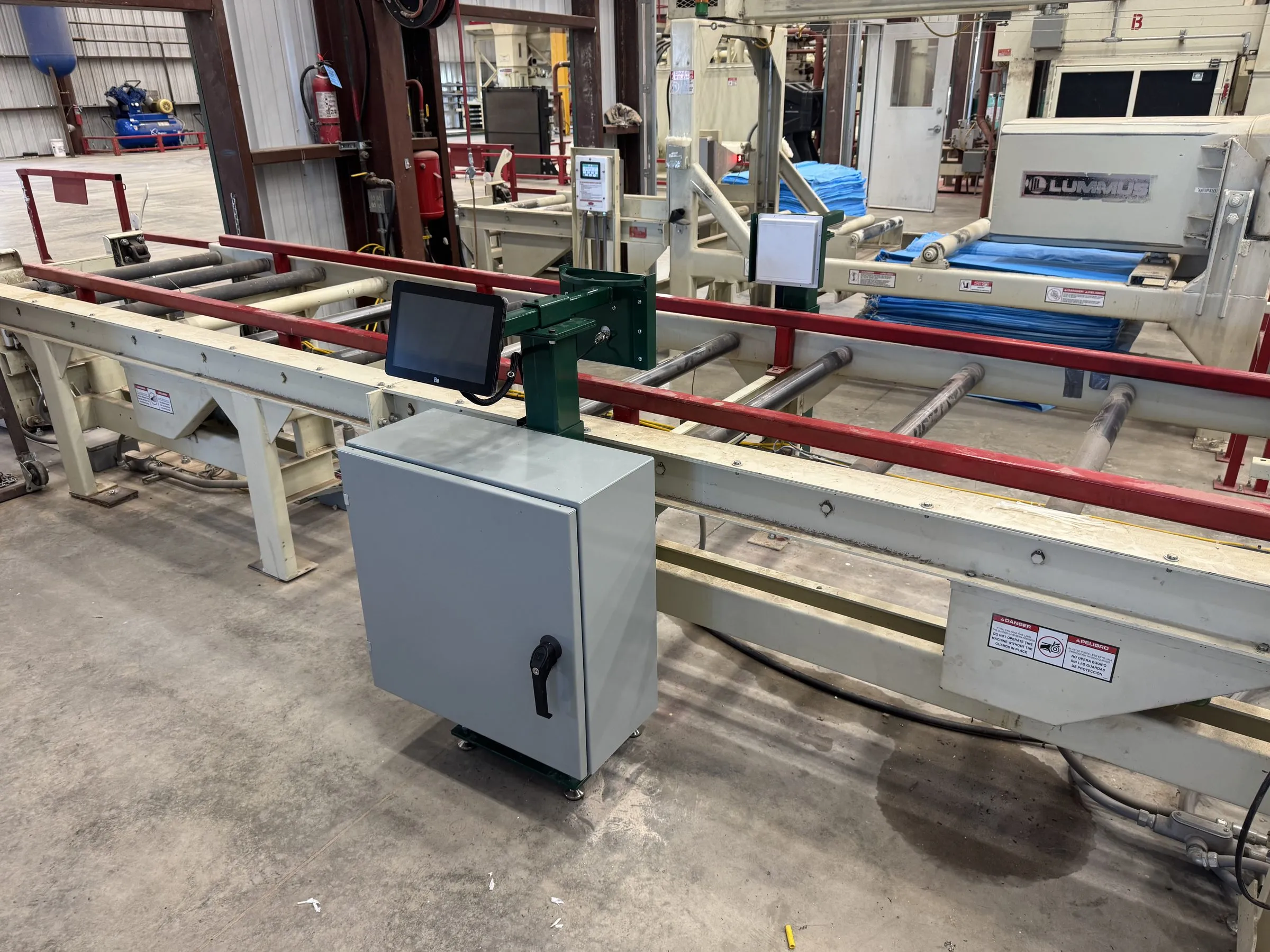
MS-1 on the floor
Photographs from working gins, not renderings.

Capabilities
What MS-1 does
-
Nothing touches the cotton
MS-1 reads through the stream instead of probing it. Nothing rides on the cotton, so there is nothing in the path to wear out, foul, or pull when the line jams.
-
A value for every bale
Every bale that moves through the line is measured and recorded, not just the ones somebody has time to sample.
-
See the cotton before you gin it
At the module feeder, MS-1 tracks moisture on what is coming in. Changes show up while the drying decisions are still ahead of you rather than after the fact at the press.
-
Into the controls you already run
4-20mA drives panel meters, existing displays and the controls already wired for them. Modbus TCP carries the same values to the PLC, and a REST API is there for gins that want the record in their own systems.
At a glance
How it fits your gin
- Integration
- 4-20mA out; Modbus TCP and REST API available
- Measurement
- Incoming modules at the feeder, and every bale on the line
- Access
- Any browser on the gin's network, plus a screen where you want one
- Fleet management
- Remote monitoring and over-the-air updates
Why it matters
Moisture is the number that pays
Moisture decides two things at once, and they pull against each other. Too dry and fiber breaks, turnout suffers, and grades come back worse than the crop deserved. Too wet and the bale is a storage risk, and the weight is not honestly yours to sell.
The band worth running in is narrow. Staying inside it means knowing where you are while there is still something to be done about it.
Measured, not sampled
MS-1 measures by radio frequency, reading through the cotton rather than touching it. There is no probe in the stream to wear, foul, or come out when a line chokes.
At the module feeder it tracks moisture on the cotton coming in. On the bale line it puts a figure on every bale that passes. Neither depends on somebody being free to pull a sample.
Where the readings go
MS-1 is an instrument for the gin's control system, not a display for somebody to stand and watch.
Moisture leaves on 4-20mA, which is what wires it into panel meters, existing displays and whatever controls are already reading them. Modbus TCP carries the same values to the PLC, and a REST API is available where a gin wants the record in its own systems.
The interface is also served over the gin's network, so the live reading and the history come up in any browser with access, from the control room, the office, or wherever the person who needs them happens to be. There is a touchscreen at the machine too. It shows the same thing.
More detail
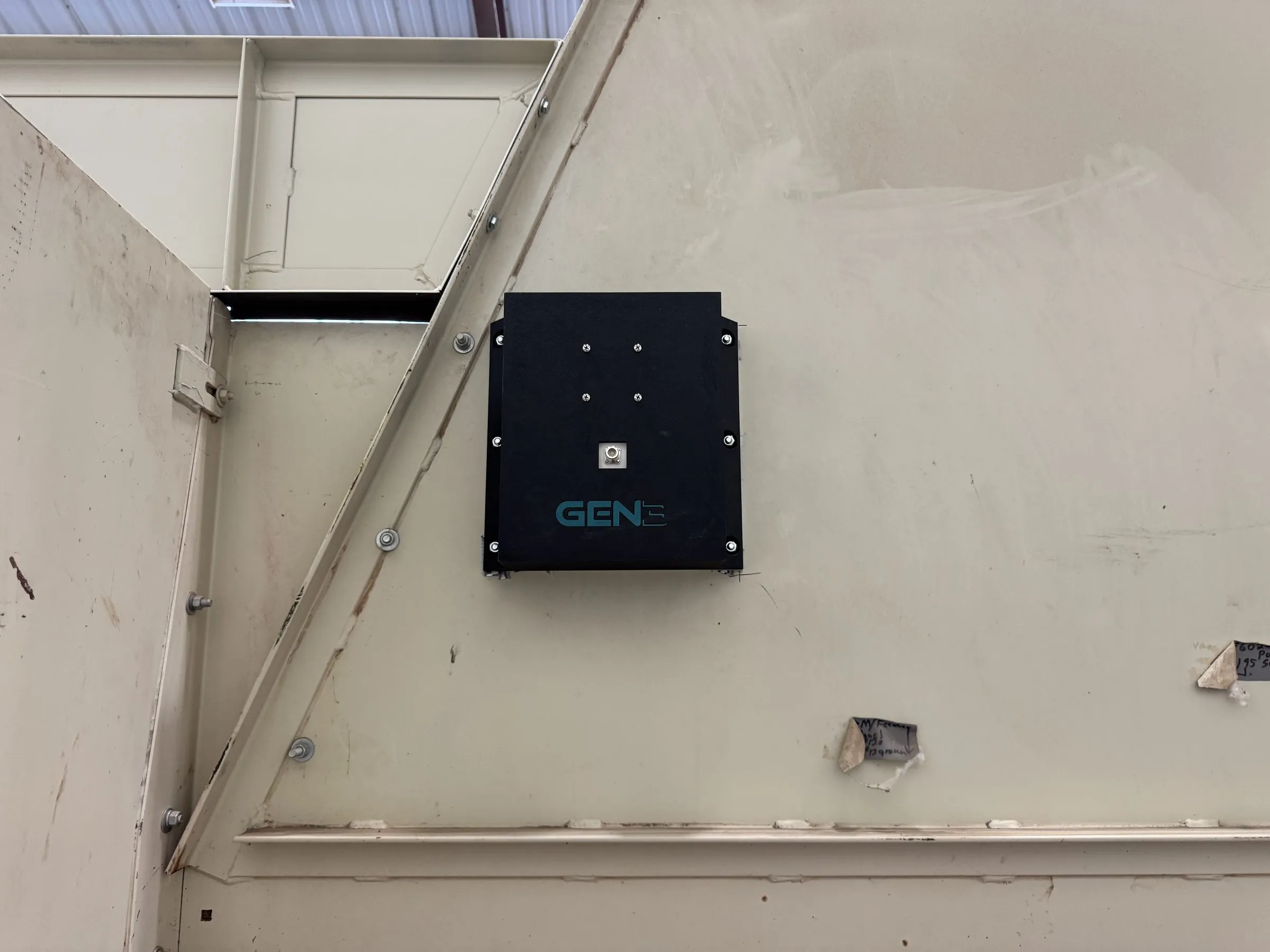
Closer in
Next step